
October 1, 2026
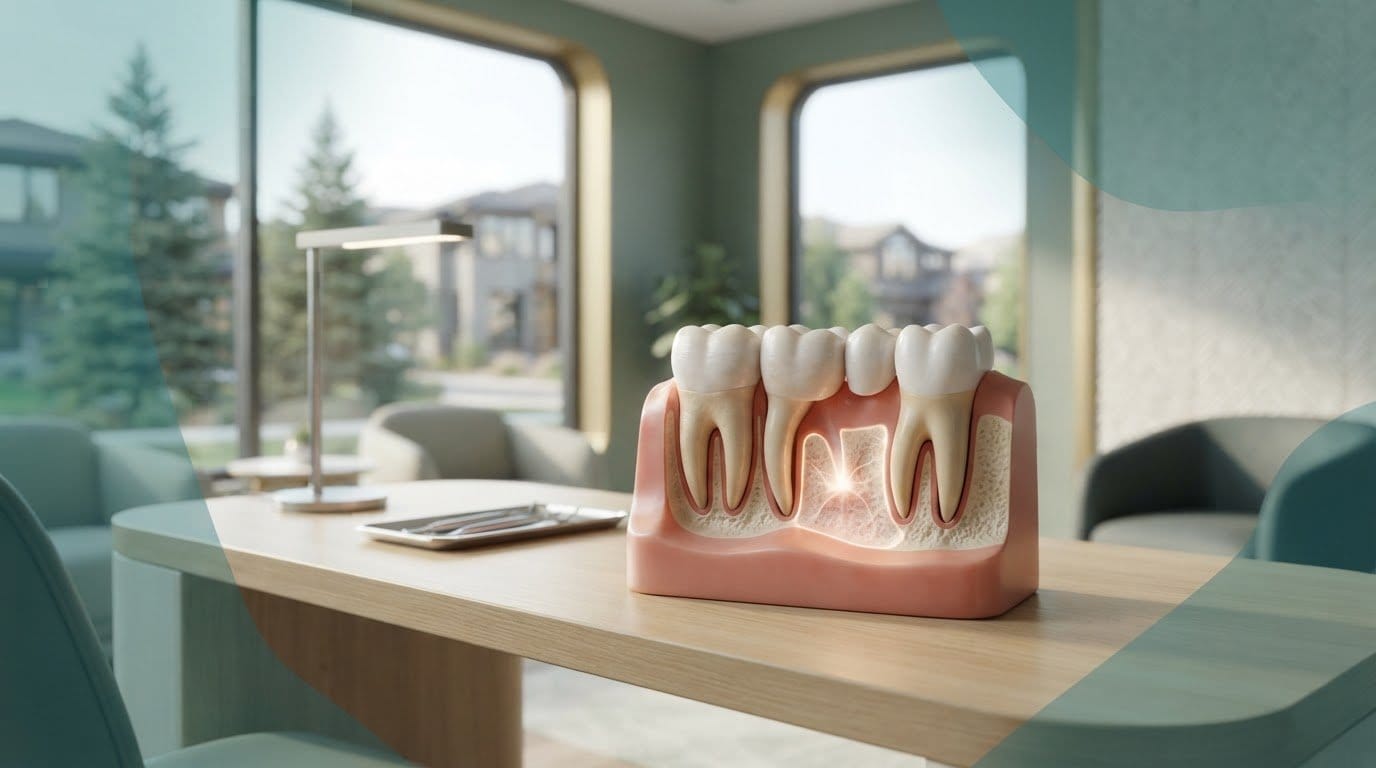
Could a missing tooth affect more than your smile? If you’re wondering what happens if you wait too long to replace a tooth, the answer depends on where the gap is and your overall oral health. It’s reasonable to ask whether waiting could affect your bite, chewing, appearance, or nearby teeth. Changes can happen gradually, and they’re not the same for everyone.
This article explains possible effects of delaying replacement without assuming the worst. You’ll learn how nearby teeth and the jawbone may change, why those changes can affect treatment planning, and how replacement options differ. A dental evaluation can show what’s happening in your mouth and which choices may suit you.
We’ll also cover questions to ask your dentist, including whether an implant or cosmetic denture might be appropriate. If dental visits make you anxious, ask about comfort-focused support, including sedation dentistry. The goal is to help you take a considered next step with a clearer understanding of your options.
Key Takeaways
- What happens if you wait too long to replace a tooth varies, and having no pain doesn’t confirm that the area is stable.
- A dentist can assess whether a gap may be affecting nearby teeth or how your bite feels.
- Implants, bridges, and removable partial dentures differ in how they’re supported and maintained.
- Note when and where the tooth was lost, and share your symptoms, health history, and priorities during an assessment.
- An examination can help clarify whether replacement or monitoring may suit your situation.
What Happens If You Wait Too Long to Replace a Tooth?
Waiting to replace a missing tooth may affect nearby teeth, your bite, chewing, or the jawbone, but the outcome differs from person to person. The tooth’s location, your existing bite, and your oral health all matter. A tooth replacement delay is the time between losing or having a tooth removed and considering replacement. A short delay and prolonged tooth loss can raise different considerations, but there’s no single deadline that applies to everyone.
Over time, teeth beside a gap may shift, and the bone that once supported the tooth may change. These possibilities don’t mean damage is certain or that replacement is always necessary. For a broader overview of the consequences of tooth loss, including bone and facial changes, see the linked reference. A dentist can assess whether anything is changing in your mouth.
Can a missing tooth cause changes even when it does not hurt?
Yes, changes can develop without pain. A gap may alter how pressure is shared when you chew, or nearby teeth may move gradually. Neither outcome can be assumed from the gap alone. A missing front tooth may be more noticeable when you smile, while a back tooth may affect chewing comfort. Pain isn’t the only reason to seek an assessment. An examination can help determine whether the area appears healthy and stable.
Does every missing tooth need to be replaced?
No. The decision depends on which tooth is missing, how your teeth meet, your oral health, and your preferences. A dentist can explain the potential benefits and considerations of replacement, and whether monitoring may be reasonable for you. If replacement is appropriate, options may include dental implants, bridges, or removable dentures, depending on the examination findings. The aim is a considered plan, not an automatic procedure.
So, what happens if you wait too long to replace a tooth? The effects may be minimal, or changes may influence future treatment planning. You don’t have to judge this by appearance or discomfort alone. An individual dental evaluation can clarify the condition of the gap and help you decide whether to monitor it or discuss replacement options.
How Can Leaving a Tooth Missing Affect Nearby Teeth and Your Bite?
A gap can change how neighboring teeth meet and share pressure, but the pattern depends on its location, the surrounding teeth, and your oral health. Adjacent teeth may lean or drift toward the space in some situations. The tooth in the opposing jaw may also move when it no longer meets a tooth during biting. These are possible changes, not inevitable results, and their extent and timing vary.
What may happen to the teeth beside an empty space?
Teeth rely on contact with neighboring and opposing teeth, so losing one can change the balance around the gap. If nearby teeth shift, the way your upper and lower teeth come together may feel different. An altered bite can affect where pressure lands during chewing, though it doesn’t necessarily cause discomfort or functional problems. The American Dental Association outlines several reasons to correct a missing tooth, including possible effects on eating and the position of remaining teeth.
Chewing changes depend partly on which tooth is missing. If a tooth used for grinding is lost, some people find certain textures less comfortable and favor the other side. Others notice little difference. Tooth movement, changes in opposing-tooth contact, and altered chewing are possible, but your individual risk depends on the gap’s location, bite, oral health, and how the area changes over time.
Can tooth loss affect the jawbone?
After a tooth is extracted, the jawbone in that area can change over time because it no longer supports the tooth root. The amount and effect of change vary, so the gap alone can’t show whether future treatment will be affected. Bone condition is one factor a dentist considers when planning replacement, including an implant. An examination and, when appropriate, imaging can help assess the area. A history of bone change doesn’t by itself determine implant eligibility.
These details matter because the same-sized gap can have different implications for different people. A dentist can check tooth positions, bite contact, chewing concerns, and the condition of the area before discussing next steps. If you’d like help understanding your situation, you can discuss a tooth replacement assessment with Cottonwood Dental Group.
Which Tooth Replacement Options May Be Considered After a Delay?
A delay doesn’t automatically rule out a particular replacement option. The discussion depends on which tooth is missing, the condition of nearby teeth and gums, your bite, and the health of the jawbone. After an examination, a dentist can explain which approaches may fit your situation and what each involves.
How do implants, bridges, and partial dentures differ?
These options replace a gap in different ways. An implant is supported in the jaw, a bridge is supported by neighboring teeth when appropriate, and a removable partial denture replaces one or more teeth and can be taken out for cleaning. Suitability and upkeep vary, so compare the options in light of your oral health and preferences.
| Option | How it’s supported | Maintenance | What a dentist assesses |
|---|---|---|---|
| Dental implant | Support is placed in the jaw and used to hold a tooth replacement. | Requires ongoing oral hygiene and dental care. | Jawbone, gums, overall oral health, and whether the site is suitable. |
| Bridge | Uses neighboring teeth for support when clinically appropriate. | Needs regular cleaning and care around the restoration and supporting teeth. | The condition and position of nearby teeth, the gap, and your bite. |
| Removable partial denture | Rests in the mouth and is designed to replace one or more missing teeth. | Must be removed and cleaned as directed by the dental team. | Fit, oral health, the teeth supporting the appliance, and your needs. |
What might change when treatment is delayed?
If you’re asking what happens if you wait too long to replace a tooth, consider whether the gap has changed since the tooth was lost. The jawbone in an extraction area may change over time, and nearby teeth or your bite may also affect treatment planning. These findings can influence which options are considered, but delay alone doesn’t establish that an implant is unsuitable.
Depending on the examination, a dentist may recommend further evaluation or discuss preparatory care before replacement. That isn’t necessary for everyone. Cottonwood Dental Group offers dental implants, cosmetic dentures, and dental crowns. Which options are appropriate depends on an individual assessment. Ask how each suitable choice would be supported, cared for, and monitored, and how your priorities factor into the plan.

What Should You Do If You Have Waited to Replace a Tooth?
If you’ve put off replacing a tooth, start by noting which tooth is missing and, if you can, when it was lost or removed. Then arrange a dental assessment to understand the area’s current condition. You don’t need to decide on a treatment beforehand. The purpose of the visit is to review what’s happening and discuss next steps that fit your circumstances.
Before your appointment, note any changes you’ve noticed, such as discomfort, difficulty chewing, or a difference in how your teeth meet. Share relevant medical history, medications, concerns, and what you’d like treatment to achieve. The dentist can examine the gap and surrounding teeth and may recommend imaging if it’s indicated to assess the area or help plan care.
Worsening pain, swelling, fever, or an injury involving the area calls for prompt professional advice. These symptoms deserve attention rather than waiting for a routine discussion about replacement.
What should you ask at a tooth-replacement consultation?
Bring questions that help you understand the findings and your choices. For example: What changes, if any, do you see around the missing tooth? Which replacement options are appropriate, and what would daily care involve for each? Is monitoring reasonable in my case, or do you recommend further evaluation? These questions can help you compare practical considerations without feeling rushed into a decision.
How can anxious patients make the visit more comfortable?
If dental visits make you uneasy, mention your anxiety and comfort needs when arranging or beginning the appointment. Ask the dental team to explain each step and discuss support before making a treatment decision. Cottonwood Dental Group offers sedation dentistry for patients who need support with dental anxiety, though suitability depends on individual circumstances. If you’re ready to discuss your concerns and options, explore personalized dental care.
Understanding what happens if you wait too long to replace a tooth starts with finding out what’s true for your own mouth. An assessment can clarify the condition of the gap, whether further evaluation may help, and whether replacement or monitoring is worth discussing. You can take that step even if you’re still uncertain about treatment.
Plan Your Next Step With a Personalized Tooth Replacement Assessment
An examination can clarify what’s happening around a missing tooth and whether replacement or monitoring may be appropriate. There isn’t one recommendation for everyone. The gap’s location, your oral health, and your goals inform the discussion, especially if time has passed since the tooth was lost.
What happens during a personalized treatment discussion?
Your dentist can review when and where the tooth was lost, ask about changes you’ve noticed, and examine the gap and surrounding teeth. If further diagnostic review is indicated, it can help inform the assessment. You can discuss approaches that may be suitable, including dental implants or dentures when clinically appropriate, and ask what daily care involves. Recommendations should follow the examination, not be assumed in advance.
If implants are among the options being discussed, learn more about dental implant options in Highlands Ranch. If you’re considering an implant, asking about dental implant aftercare guidance can also help you understand the care involved. Treatment details and recommendations depend on your individual assessment.
How can local patients take a comfortable next step?
Cottonwood Dental Group serves Highlands Ranch and nearby communities, including Lone Tree, Centennial, Castle Pines, and Parker. Bring questions about implants, dentures, or what monitoring might involve, along with any concerns about comfort. If dental anxiety is part of the picture, mention it before treatment discussions begin. Sedation dentistry is available for patients who need support with dental anxiety, though suitability depends on individual circumstances.
Wondering what happens if you wait too long to replace a tooth doesn’t mean you need to choose a treatment right away. A personalized assessment can help you understand your situation and consider a next step at a comfortable pace. To discuss your questions with Cottonwood Dental Group, explore personalized tooth replacement care.
Take a Clear, Comfortable Next Step
What happens if you wait too long to replace a tooth depends on the gap, your bite, and your oral health. Nearby teeth, chewing, or the jawbone may be affected, but changes aren’t inevitable, and not every missing tooth requires replacement. An examination can help you understand whether monitoring or discussing treatment makes sense for you.
If replacement is appropriate, options such as dental implants or cosmetic dentures may be discussed based on your needs. Cottonwood Dental Group provides personalized cosmetic and general dental care. Patients with dental anxiety can ask whether sedation dentistry may support their comfort.
You don’t have to choose a treatment before asking questions. Discuss your tooth replacement options with Cottonwood Dental Group and learn what may fit your situation. A thoughtful conversation is a positive first step toward feeling more informed about your care.
Frequently Asked Questions
Can you leave a missing tooth untreated if it does not hurt?
Possibly, but no pain doesn’t confirm that the area is unaffected, and it doesn’t mean a problem is certain. Some people don’t notice symptoms after losing a tooth. A dentist can check the gap, surrounding teeth, and bite, then explain whether observation or a replacement option may suit your circumstances. If you’re in Highlands Ranch or a nearby community, a personalized assessment can help you understand your options.
How long can you wait to replace a missing tooth?
There’s no single waiting period that applies to everyone. The missing tooth’s location, why it was lost, your oral health, and your treatment goals all shape the assessment. Rather than relying on a general deadline, arrange an evaluation and ask whether waiting may affect the options appropriate for you. A dentist can review your circumstances and explain what monitoring or further evaluation might involve.
Can a missing tooth cause other teeth to shift?
Teeth beside a gap may move toward it, and the opposing tooth may change position in some cases. This isn’t inevitable, and the extent varies from person to person. A dentist can examine the surrounding teeth and how your bite comes together to look for changes. If you’re near Lone Tree or Centennial, an assessment can help clarify whether monitoring or discussing replacement makes sense for you.
Does waiting to get a dental implant mean you cannot get one later?
No, waiting doesn’t automatically rule out a dental implant. Changes in the area and other oral health factors may affect treatment planning, so an examination and any indicated imaging can clarify what may be suitable. Ask your dentist to explain the findings, which options fit your circumstances, and whether alternatives should be considered. An assessment is more reliable than trying to judge implant suitability based on time alone.
What are the options for replacing a missing tooth?
Depending on your oral health and needs, a dentist may discuss a dental implant, bridge, or removable partial denture. These options differ in how they’re supported, cared for, and planned. Ask about the benefits and limitations of each, daily maintenance, and whether further evaluation is needed. Cottonwood Dental Group offers dental implants and cosmetic dentures. Recommendations depend on an individual examination and your treatment priorities.
When should you seek care for a missing tooth?
Arrange a dental assessment to discuss the gap, even if it isn’t painful. Seek prompt professional advice if you have worsening pain, swelling, fever, or a tooth lost through trauma. If symptoms feel severe or rapidly worsen, contact an appropriate urgent-care provider for guidance. Cottonwood Dental Group serves patients in Highlands Ranch, Lone Tree, Centennial, Castle Pines, and Parker, and can discuss an assessment and possible next steps.
