
November 30, 2024
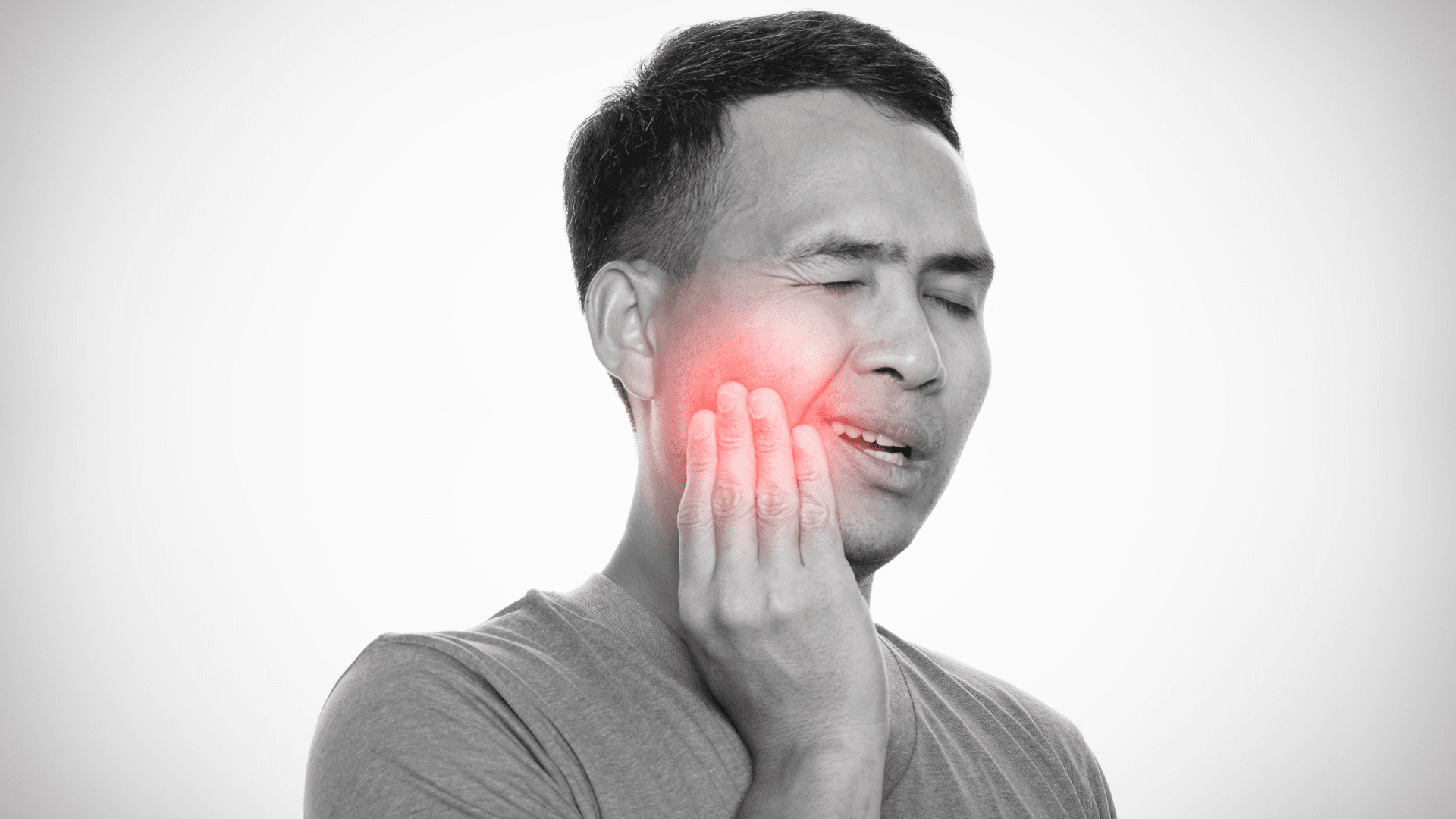
Why Does My Tooth Hurt When I Jump?
Experiencing tooth pain when jumping or engaging in other physical activities can be unexpected and concerning. At Cottonwood Dental Group, we often address questions like this to help patients understand the root causes and seek appropriate treatment. If you’re wondering why this happens, let’s break it down.

Why Might Your Tooth Hurt When You Jump?
Tooth pain triggered by jumping or sudden movement is often linked to underlying dental or sinus issues. Here are some common reasons:
1. Dental Infection or Abscess
An untreated cavity, cracked tooth, or trauma can lead to a dental infection or abscess. This infection causes pressure buildup, which can be aggravated by movement, resulting in pain when you jump or move suddenly.
2. Sinus-Related Issues
The roots of your upper teeth are located close to your sinus cavities. When your sinuses are inflamed or congested due to allergies, colds, or a sinus infection, the pressure can radiate to your teeth. Jumping or bouncing can worsen this pressure, making your teeth hurt.
3. Cracked tooth or dental fracture
A hairline crack in a tooth may not always cause pain until there’s added pressure or movement. Jumping can exacerbate the sensitivity, causing discomfort.
4. Sensitive Teeth
Teeth sensitivity caused by enamel erosion, gum recession, or exposed roots can be amplified by external forces, such as the jarring motion of jumping.
5. Bruxism (teeth grinding)
Grinding or clenching your teeth, often unconsciously, can lead to soreness in the teeth and surrounding jaw muscles. The impact of jumping may intensify this pain.
6. Gum Disease
Inflamed or infected gums due to periodontal disease can cause tenderness in the surrounding teeth. The increased blood flow during physical activity might make the pain more noticeable.
What Should You Do If You Experience This Pain?

If you notice tooth pain while jumping or engaging in similar activities, follow these steps:
- Track the Pain: Note when the pain occurs, its intensity, and any other associated symptoms like swelling or sensitivity.
- Check for Additional Symptoms: Look for signs of infection, such as swelling, fever, or persistent discomfort.
- Adjust Your Activities: Reduce high-impact activities until the issue is resolved to prevent worsening the pain.
- Schedule a Dental Visit: Consult a dentist to identify and address the root cause.
How Can a Dentist Help?
At Cottonwood Dental Group, we will:
- Perform a comprehensive examination, including X-rays if necessary.
- Identify the cause, whether it’s a cavity, infection, or another issue.
- Provide a tailored treatment plan to alleviate pain and prevent future occurrences.
When Should You Seek Immediate Attention?
You should contact us promptly if you experience:
- Persistent pain that doesn’t improve.
- Swelling around the tooth or gums.
- Fever or other signs of infection.
- Pain severe enough to interfere with daily activities.
Preventing Tooth Pain During Activity
To reduce the likelihood of experiencing tooth pain while jumping or exercising:
- Maintain regular dental checkups.
- Practice good oral hygiene.
- Wear a mouthguard during high-impact activities if you grind your teeth or have dental restorations.
- Stay hydrated to minimize sinus pressure.
Tooth pain during activities like jumping can be more than a minor inconvenience—it’s often a signal from your body that something needs attention. At Cottonwood Dental Group, we’re here to help you uncover the cause and provide the relief you need. Schedule an appointment with us today, and let’s keep your smile healthy and pain-free!
