
September 29, 2025
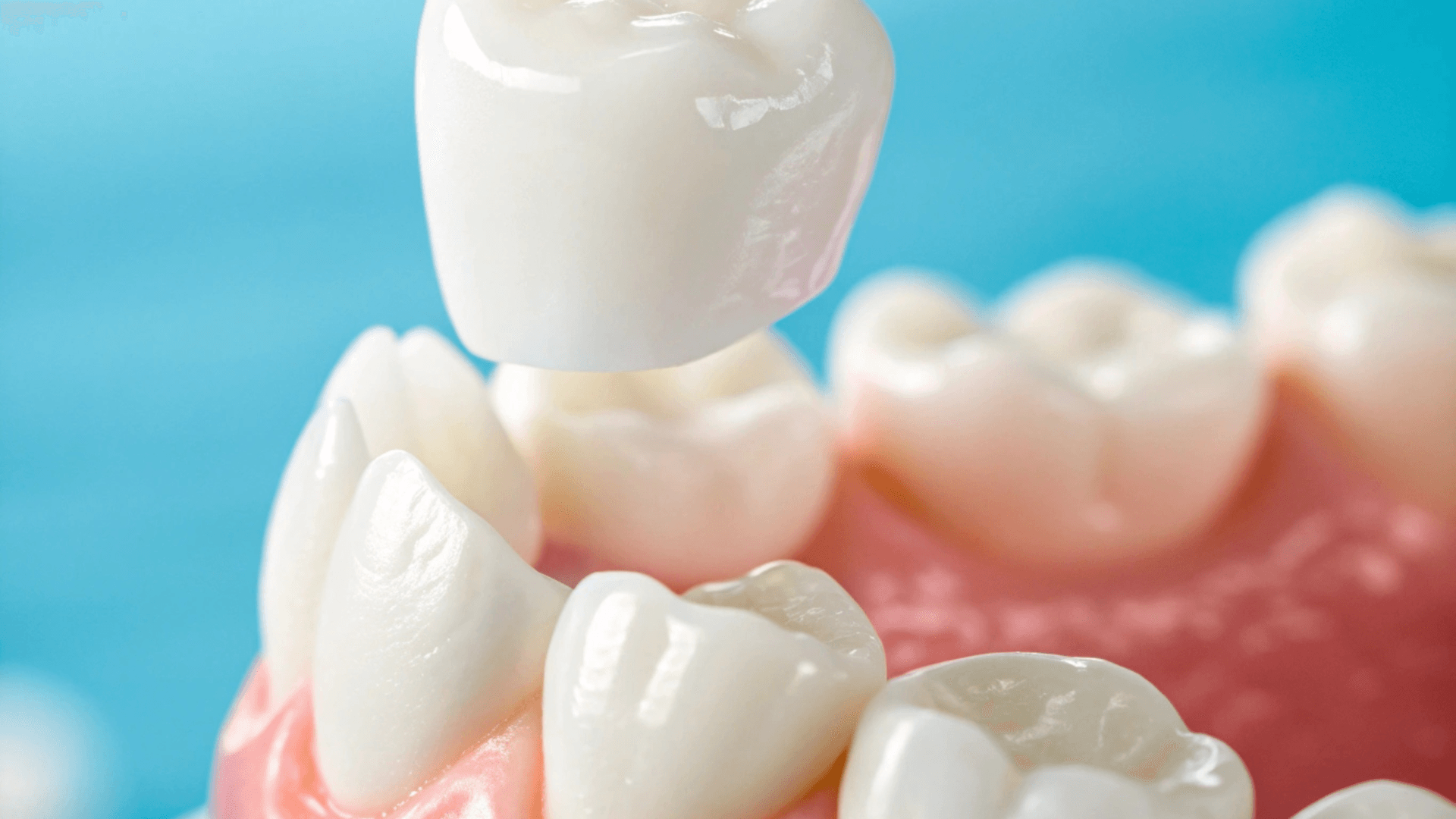
If you’ve been asking yourself, “Why does my crown hurt when I bite down?”, you’re not alone. A little sensitivity can happen from time to time, but ongoing pain or discomfort when chewing usually means something isn’t quite right (either with the crown itself or the tooth underneath).

At Cottonwood Dental Group, your trusted dentist in Highlands Ranch, CO, we see this concern often, and the good news is, most causes are treatable when caught early. In many cases, it’s nothing serious and can be treated quickly once we pinpoint the cause. But sometimes pain can signal a bigger issue that needs attention, which is why it’s always best to have it checked early. Our goal is to get you back to eating, drinking, and smiling without worry.
Wondering what could be causing your crown pain? Let’s walk through the most common reasons this happens and how we treat each one.
1. High Bite (Occlusion Issue)
When a crown sits just a bit too high, it throws off your bite. This uneven pressure can cause:
- Soreness or tenderness
- Sharp pain when chewing
- Risk of small fractures
A quick adjustment at our Highlands Ranch dental office can reshape the crown so your bite feels natural again.
2. Tooth Decay Under the Crown
Crowns protect teeth, but they don’t make them immune to decay. Bacteria can sneak in at the crown margins, causing decay and irritation.
An X-ray helps us spot any decay early. If we catch it soon enough, we can remove the crown, clean the area, and place a new crown. If the decay has spread deeper, a root canal may be needed before restoring the tooth.
3. Cracked Tooth Beneath the Crown
Sometimes the tooth under the crown develops a crack that wasn’t visible during crown placement. This can worsen with pressure and cause sharp, inconsistent pain. Our team may use imaging or specialized tests to detect cracks. Treatment varies from bonding to extraction, depending on the severity.
4. Infection or Nerve Damage
If the nerve inside your tooth becomes inflamed or infected, you might notice deep, throbbing pain, especially when you bite down. This often happens when decay or damage reaches the inner layers of your tooth. In these cases, a root canal can remove the damaged nerve and save your tooth. Afterward, we’ll secure your crown back in place or replace it so your smile stays strong and healthy.
5. Loose Crown or Cement Washout
If a crown isn’t sealed properly or the dental cement starts to wear away, tiny gaps can form. Bacteria and food particles can slip underneath, which may irritate your tooth and gums. If left untreated, it can lead to bigger problems.
We’ll check whether the crown can be cleaned and re-cemented securely or if it needs to be replaced. Taking care of it quickly helps protect the tooth underneath and prevent further damage.
Don’t Ignore Crown Pain
Persistent pain when you bite down is your tooth’s way of telling you that something isn’t quite right. While the cause could be something minor, ignoring it can easily allow small issues to turn into much bigger problems. Getting checked out early is the best way to avoid more complex (and costly) trips to the dentist later. At Cottonwood Dental Group, we can quickly identify what’s causing the pain and recommend the right solution.
Bottom line: if your dental crown hurts when you bite down, don’t wait it out. The sooner we take a look, the sooner you can get back to eating, drinking, and smiling without pain!
Frequently Asked Questions
How long should a crown hurt after placement?
It’s normal to have some mild sensitivity or tenderness for a few days after getting a crown as your tooth and bite adjust. However, if the pain lasts longer than a week or seems to be getting worse instead of better, you should call your dentist.
Can my dentist fix crown pain without replacing it?
Absolutely. In many cases, the crown itself doesn’t need to be replaced. Sometimes a quick bite adjustment, or recementing the crown, will ease the pain. Your dentist should examine the area and recommend the least invasive solution whenever possible.
Is it normal for a crown to hurt years later?
No it is not. In fact, new pain under an older crown is a sign that something has changed. It could be new decay around the edges, cracks in the tooth, or even a loose crown. Whatever the cause, it’s best to have it evaluated sooner rather than later to prevent further damage.
When should I seek urgent care?
If your pain is severe, persistent, or paired with swelling, fever, or a bad taste in your mouth, you should contact a dentist right away. These can be signs of infection, which needs prompt treatment to protect both your tooth and your overall health.
